Decoding Your Business Finances: Owner's Draw vs Business Expenses Explained
Understanding where your business money goes can be confusing, especially when it comes to distinguishing between paying yourself and paying business bills. Many small business owners struggle with this, often mixing personal withdrawals with business expenses. This mix-up can lead to accounting headaches, tax issues, and unclear financial reports. This post will clarify what an owner's draw is, why it is not a business expense, and how to handle personal purchases made with business funds. We will also walk through a simple QuickBooks example and provide practical do’s and don’ts to keep your finances clean and clear.
What Is an Owner’s Draw?
An owner’s draw is money you take out of your business for personal use. It is not a salary or wage but a withdrawal of your equity or investment in the business. This means you are taking a portion of the profits or capital you have in the company and moving it to your personal account.
Key points about owner’s draws:
It reduces your owner’s equity in the business.
It is not recorded as a business expense.
It does not affect your business’s profit or loss.
It is reported differently on your personal tax return depending on your business structure.
For example, if you own a sole proprietorship and take $1,000 from the business bank account to pay for your groceries, that $1,000 is an owner’s draw. It is not an expense the business incurred to operate; it is simply you taking money out.
Why an Owner’s Draw Is Not a Business Expense
Business expenses are costs incurred to run the business. These include rent, utilities, supplies, employee wages, advertising, and more. Expenses reduce your business’s taxable income because they are necessary for generating revenue.
An owner’s draw, on the other hand, is a transfer of funds from the business to the owner. It does not reduce the business’s taxable income because it is not a cost of doing business. Instead, it reduces the owner’s equity or investment in the company.
Why this distinction matters:
Tax reporting: Business expenses lower taxable income; draws do not.
Financial clarity: Mixing draws with expenses can make your profit and loss statement inaccurate.
Legal compliance: Proper classification helps avoid IRS scrutiny and penalties.
Paying Yourself vs. Paying a Business Bill
Understanding the difference between paying yourself and paying a business bill is crucial for accurate bookkeeping.
Paying Yourself (Owner’s Draw) | Paying a Business Bill (Expense) |
Money taken out for personal use | Money spent on business operations |
Reduces owner’s equity | Reduces business profit |
Not deductible as a business expense | Deductible business expense |
Recorded as a draw or distribution | Recorded as an expense in accounting software |
For example, paying your electricity bill is a business expense because it is necessary to keep your business running. Paying yourself for personal groceries is an owner’s draw because it is not related to business operations.
What Happens When You Use the Business Card for Personal Purchases?
Using your business card for personal expenses can cause confusion in your accounting records. It blurs the line between business and personal finances, which can lead to:
Misstated financial reports: Personal expenses recorded as business expenses inflate costs.
Tax problems: The IRS may disallow personal expenses claimed as business deductions.
Cash flow confusion: It becomes harder to track actual business spending.
How to fix this in your books:
Identify the personal purchase. Review your bank or credit card statements regularly.
Record the transaction as an owner’s draw. Instead of categorizing it as an expense, classify it as a draw or owner distribution.
Reimburse the business if needed. You can pay back the business account to correct the balance.
QuickBooks Example: Handling Owner’s Draw vs Business Expenses
Let’s say you use QuickBooks to manage your finances. Here’s how to record owner’s draws and business expenses correctly.
Recording a Business Expense
Go to Expenses > New Expense.
Enter the vendor, date, and amount.
Choose the appropriate expense category (e.g., Utilities, Office Supplies).
Save the transaction.
Recording an Owner’s Draw
Go to + New > Check or Expense.
Payee: Your name or “Owner’s Draw.”
Category: Select Owner’s Equity or create an account called “Owner’s Draw.”
Enter the amount withdrawn.
Save the transaction.
Correcting a Personal Purchase Made on Business Card
Find the transaction in QuickBooks.
Change the category from an expense to Owner’s Draw.
Add a note explaining it was a personal purchase.
This keeps your profit and loss statement accurate and your equity accounts balanced.
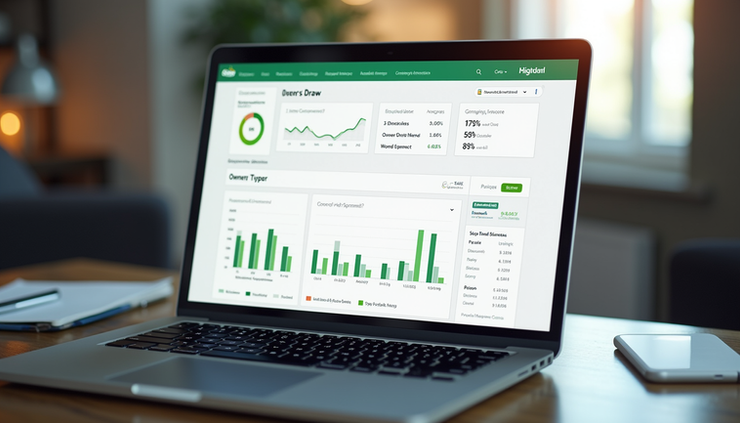
Do This, Don’t Do This: Best Practices for Owner’s Draw and Business Expenses
Do This
Keep separate bank accounts for business and personal use.
Record owner’s draws in a dedicated equity account.
Regularly review your transactions to catch personal expenses.
Use accounting software like QuickBooks to categorize transactions properly.
Consult with an accountant to ensure compliance with tax laws.
Don’t Do This
Don’t mix personal and business expenses in the same category.
Don’t use business funds for personal purchases without recording them as draws.
Don’t ignore discrepancies in your financial statements.
Don’t assume owner’s draws reduce your business taxes.
Don’t delay fixing errors in your bookkeeping.
Final Thoughts on Managing Owner’s Draws and Business Expenses
Keeping your business finances clear and organized starts with understanding the difference between owner’s draws and business expenses. Owner’s draws are personal withdrawals and do not reduce your business’s taxable income. Business expenses are costs necessary to run your business and reduce taxable income.
Using your business card for personal purchases is a common mistake but can be corrected by properly categorizing those transactions as draws. Tools like QuickBooks make this process easier and help you maintain accurate records.
By following the do’s and don’ts shared here, you will have a clearer picture of where your business money goes, avoid tax issues, and make smarter financial decisions.
Next step: Review your recent transactions today and make sure your owner’s draws and business expenses are recorded correctly. If you need help, reach out to a professional accountant to guide you through the process.
Disclaimer: This post is for informational purposes only and does not constitute financial or legal advice. Consult a qualified professional for advice tailored to your situation.